Source Freestanding Gas Rotisserie Machine for Hotel, Catering, Bakery
Compare 30 freestanding gas rotisserie machine options from verified Chinese manufacturers. These units support commercial applications including hotels, catering services, and bakeries with customizable power sources and capacities ranging from 0.4kw to 24kw; compare the available evidence and request quotations based on your requirements.
Key considerations
Products List





Comprehensive Sourcing Guide
Freestanding Gas Rotisserie Machine Sourcing Guide
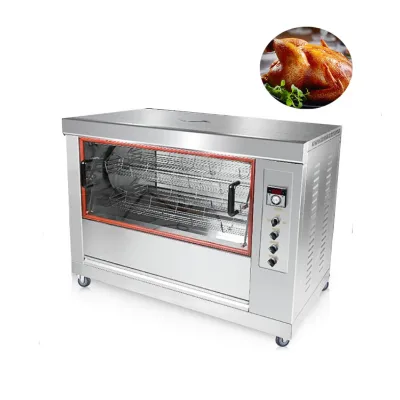
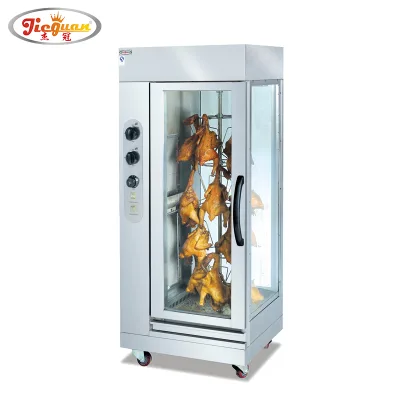
Procuring a freestanding gas rotisserie machine requires careful evaluation of thermal output, material durability, and operational flexibility. Buyers must distinguish between units designed for high-volume commercial kitchens and those intended for smaller catering operations. The observed market data indicates a wide variance in power sources, with some models relying on gas while others offer electricity or hybrid options. This distinction is critical for facilities with specific utility constraints or energy efficiency goals. Understanding the core mechanical differences ensures that the selected equipment aligns with the intended culinary workflow and volume requirements.
The sourcing landscape includes diverse configurations, from single-rotisserie units to multi-spit systems capable of handling various poultry and meat cuts. Key attributes such as customization options, surface materials, and timing devices significantly impact long-term usability. Buyers should prioritize machines constructed from stainless steel grades like 304 or 201, which offer varying levels of corrosion resistance and hygiene compliance. Additionally, the presence or absence of timing devices and precise temperature controls can dictate the consistency of cooking results, making these features essential verification points during the selection process.
Product Scope and Observed Listing Signals
The current market listings reveal a broad spectrum of rotisserie capabilities, with observed prices ranging from $199 to $12,900 USD. This wide range reflects differences in build quality, capacity, and technological features. Minimum order quantities (MOQ) are generally low, typically between 1 and 5 units, facilitating easier entry for small businesses or pilot purchases. Buyers should note that while some units are marketed for general roasting, others specify applications for bread, pizza, cake, and biscuits, indicating versatile oven-integrated designs rather than pure rotisserie mechanisms.
Specific models observed include the SY-CHR16AJ, which features a power output of 28,000 BTU/Hr and a capacity for 8 to 12 chickens, and the GB-306 series, which offers higher power outputs up to 24kw. The YXD-207 model presents a lower power consumption of 0.4kw, suggesting a different operational scale or heating method. These variations highlight the importance of matching the machine’s physical dimensions and weight, such as the 74kg net weight for the SY-CHR16AJ, to the available kitchen space and floor load capacity.
Technical Specifications to Verify
Verifying technical specifications is paramount to ensuring the equipment meets operational demands. Buyers must confirm the exact power source, whether gas, electricity, or a combination, as this affects installation requirements and ongoing utility costs. The power rating, measured in BTU/Hr or kilowatts, directly correlates with heating speed and recovery time. For instance, a 28,000 BTU/Hr unit will heat significantly faster than a 9,000 BTU model, impacting throughput during peak service hours. Additionally, the temperature range, observed up to 500 degrees, must be sufficient for the specific cooking techniques employed in the facility.
Material composition and construction quality are equally critical. Stainless steel surfaces, particularly grade 304, offer superior hygiene and durability compared to lower-grade alternatives. Buyers should inspect the packing dimensions and standard sizes, such as 1120710980 mm or 15007651720mm, to ensure compatibility with delivery routes and kitchen layouts. The inclusion of timing devices and precise control mechanisms enhances consistency, while the absence of such features may require manual monitoring, increasing labor intensity and potential for human error during long cooking cycles.
Compliance and Safety Documentation
Safety and regulatory compliance are non-negotiable aspects of commercial kitchen equipment procurement. Buyers must verify that the supplier provides valid certification documents, such as CE marking, which indicates adherence to European health, safety, and environmental protection standards. While some listings mention CE certification, buyers should request original certificates and verify their authenticity with the issuing body. This step is crucial for avoiding customs delays and ensuring the equipment can be legally operated in the target market.
Beyond certifications, buyers should inquire about the manufacturer’s adherence to international safety standards for gas appliances and electrical components. Documentation should include detailed user manuals, maintenance schedules, and safety warnings specific to gas leak detection and electrical grounding. For units originating from regions like Guangzhou, China, buyers should ensure that the supplier provides comprehensive documentation in the local language of the destination country. This includes clear instructions for installation, operation, and emergency shutdown procedures to mitigate risks in a busy commercial environment.
Cost Drivers and Commercial Terms
Understanding the factors that influence pricing helps buyers negotiate better terms and avoid hidden costs. The observed price range of $199 to $12,900 USD is driven by material quality, power output, and customization options. Units with higher BTU ratings, larger capacities, and premium stainless steel construction command higher prices. Additionally, the inclusion of advanced features like digital timing devices and precise temperature controls adds to the manufacturing complexity and cost. Buyers should also consider the packaging type, whether wooden, carton, or export-standard, as this affects shipping costs and potential damage during transit.
Commercial terms such as MOQ, lead times, and payment conditions vary among suppliers. While observed MOQs are low, ranging from 1 to 5 sets, buyers should confirm if bulk discounts are available for larger orders. It is essential to clarify whether the quoted price includes shipping, insurance, and import duties, as these can significantly impact the total landed cost. Buyers should also verify the warranty period and after-sales service support, including the availability of spare parts and technical assistance, to ensure long-term operational reliability and minimize downtime.
Supplier Qualification and Quality Control
Evaluating supplier qualifications is essential for mitigating procurement risks. Buyers should prioritize suppliers who offer OEM/ODM services, indicating flexibility and manufacturing capability. Verifying the supplier’s production history and client portfolio can provide insights into their reliability and quality consistency. Suppliers originating from established industrial hubs like Guangdong, China, often have access to better supply chains and skilled labor, which can enhance product quality. However, buyers must conduct due diligence to ensure that the supplier maintains consistent quality control processes across all production batches.
Quality control measures should include pre-shipment inspections, functional testing, and material verification. Buyers should request detailed product specifications, including exact dimensions, weight, and material grades, to ensure they match the ordered items. For stainless steel components, buyers may request mill certificates to verify the grade of steel used. Additionally, suppliers should provide evidence of rigorous testing procedures, such as gas leak tests and electrical safety checks, to ensure the equipment meets safety standards. Establishing a clear communication channel with the supplier for addressing any quality issues post-delivery is also crucial.
Long-Term Procurement Checks
Long-term procurement success depends on establishing a sustainable supply chain and maintaining equipment performance over time. Buyers should develop a maintenance plan that includes regular cleaning, inspection of gas lines and electrical connections, and replacement of wear parts. The durability of the rotisserie mechanism and heating elements is critical, as frequent breakdowns can disrupt kitchen operations. Buyers should inquire about the availability of spare parts and the supplier’s response time for technical support to minimize downtime.
Furthermore, buyers should monitor market trends and technological advancements in rotisserie equipment to stay competitive. Regularly reviewing supplier performance and product quality can help identify potential issues early and foster a collaborative relationship. Buyers should also consider the environmental impact of their equipment, such as energy efficiency and emissions, to align with sustainability goals. By maintaining a proactive approach to procurement and maintenance, buyers can ensure that their freestanding gas rotisserie machines continue to deliver consistent, high-quality results for years to come.
FAQs
What power sources are available for freestanding gas rotisserie machines?
Freestanding gas rotisserie machines typically operate using gas or electricity as their primary power source. Some models feature a dual power capability, allowing flexibility in commercial kitchen setups. This versatility ensures that businesses can select the most suitable energy type based on their existing infrastructure and operational requirements.
Can I customize the design of a freestanding gas rotisserie machine?
Yes, customization is available for many freestanding gas rotisserie machines. Manufacturers often offer OEM and ODM services to tailor the equipment to specific brand or operational needs. Buyers can request custom dimensions, surface materials, or packaging options to ensure the machine fits seamlessly into their commercial kitchen environment.
What certifications are required for commercial rotisserie ovens?
Commercial rotisserie ovens often require CE certification to ensure compliance with European safety and quality standards. This certification indicates that the machine meets specific regulatory requirements for electrical and mechanical safety. Buyers should verify that the supplier provides valid CE documentation to ensure the equipment is safe for commercial use.
What is the typical capacity of a freestanding gas rotisserie machine?
The capacity of a freestanding gas rotisserie machine varies by model, with some units designed to roast eight to twelve chickens at once. Other models may have different specifications for baking bread, pizza, or cakes. Buyers should check the specific product dimensions and capacity details to ensure the machine meets their production volume needs.
How is the freestanding gas rotisserie machine packaged for shipping?
Freestanding gas rotisserie machines are typically packaged in export-standard packages, wooden boxes, or cartons to ensure safe transit. The packaging is designed to protect the stainless steel surface and internal components from damage during shipping. Buyers should confirm the specific packing details with the supplier to avoid any logistics issues upon delivery.
What materials are used in the construction of rotisserie machines?
Rotisserie machines are commonly constructed from stainless steel, including grades such as SS201, SS304, or SS430. The surface material is often stainless steel to ensure durability and ease of cleaning in commercial environments. Buyers should verify the specific material grade to ensure the machine meets their hygiene and longevity requirements.